
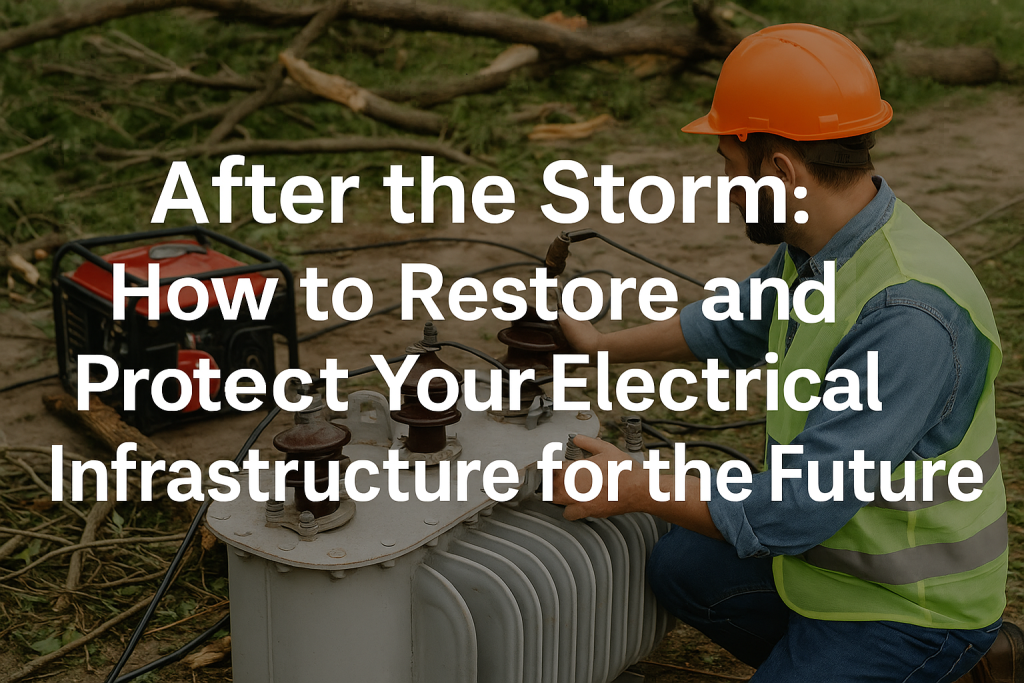
After the Storm: How to Restore and Protect Your Electrical Infrastructure for the Future

When a hurricane strikes, it tests more than our resilience—it challenges every component of the electrical systems that power our homes, businesses, and critical operations. And while the calm after the storm brings relief, it also brings responsibility: assessing the damage, securing essential equipment, and preparing for the next event.

In the recovery phase, having the right equipment—such as generators, substation components, and electrical parts—can make all the difference. Below, we outline practical steps and expert recommendations to help you restore your infrastructure safely and strategically.

1. Start with a Full Assessment: Safety First

Even if everything “looks fine,” hidden damage is common after strong winds and flooding.

Key Areas to Inspect

  • Generators: fuel contamination, filter saturation, alternator moisture, lubrication levels
  • Automatic Transfer Switches (ATS): corrosion, misalignment, damaged contacts
  • Substations: transformer oil contamination, cracked insulators, stressed arresters
  • Cabling & Terminations: water intrusion, insulation breakdown, loose or overheated connections

Real-world scenario:
A generator may still start after a storm, but if water reached the alternator or filters, it could fail under load—exactly when you need it most.

Request a quote for replacement parts: Click Here

2. Generators: The Backbone of Post-Hurricane Continuity

Generators often become the primary power source during recovery. However, most failures after a storm come from lack of maintenance—not from the storm itself.

Maintenance Best Practices

  • Drain water or sediment from fuel tanks
  • Replace air and oil filters exposed to humidity
  • Run the generator under load to detect hidden issues
  • Inspect coolant hoses and belts for cracks or swelling

Example:
A facility believed their generator was “storm-ready,” but a simple load test revealed a cracked coolant hose that would have caused a shutdown during critical operations.

Explore energy and backup solutions: Click here

3. Substations: Strengthening the Heart of Your Electrical System

Substations take a heavy hit during hurricanes—wind, debris, and flooding create conditions that accelerate component failure.

Post-Storm Action Checklist

  • Evaluate all insulators for hairline cracks
  • Check transformer oil levels and contamination indicators
  • Inspect and replace lightning arresters that show signs of stress
  • Test grounding systems for continuity and safe resistance levels

Example:
A substation showed no exterior damage, yet a lightning arrester had internally degraded due to storm surges—replacing it prevented a major outage later.

Request a quote for replacement equipment: Click here

4. Don’t Overlook the Small Components—They Prevent Big Failures

Often, what stops an entire system after a hurricane isn’t a transformer—it’s a small but essential consumable.

Critical Spares to Keep on Hand

  • Fuses
  • Switches and breakers
  • Terminals, lugs, and connectors
  • Lubricants and dielectric cleaners
  • Cables and replacement terminations
  • Lightning arresters
  • Insulators and bushings

Having these items ready accelerates recovery and increases system reliability.

To see our complete energy and electrical solutions: Click here

5. Prepare Now, Protect Tomorrow

The best time to strengthen your electrical infrastructure is during the calm—not in the middle of an emergency. Each inspected generator, replaced arrester, and updated component brings security and continuity to your operations.

At Eneka Global, we support your recovery with high-quality equipment, technical guidance, and reliable access to the parts you need. We are here to help!

Get a personalized quote: Click here
To explore our energy and alternatives portfolio: Click here
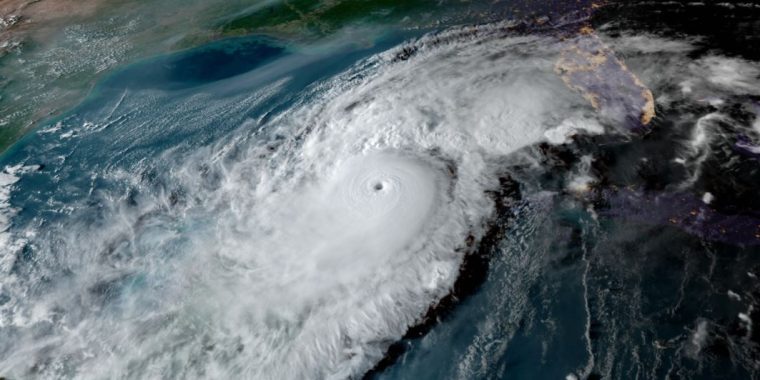
Hurricane Season Alert: Are You Ready?

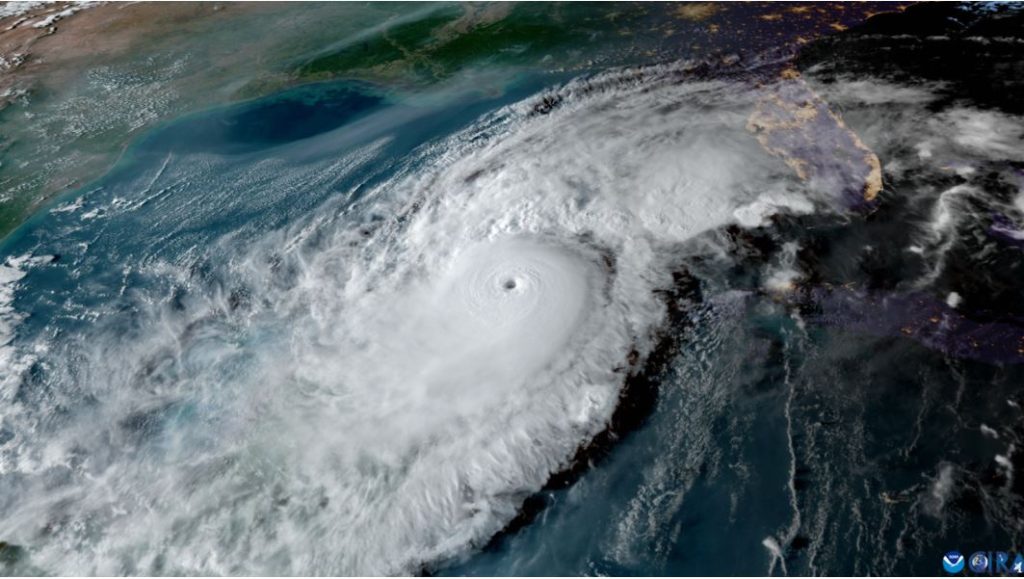
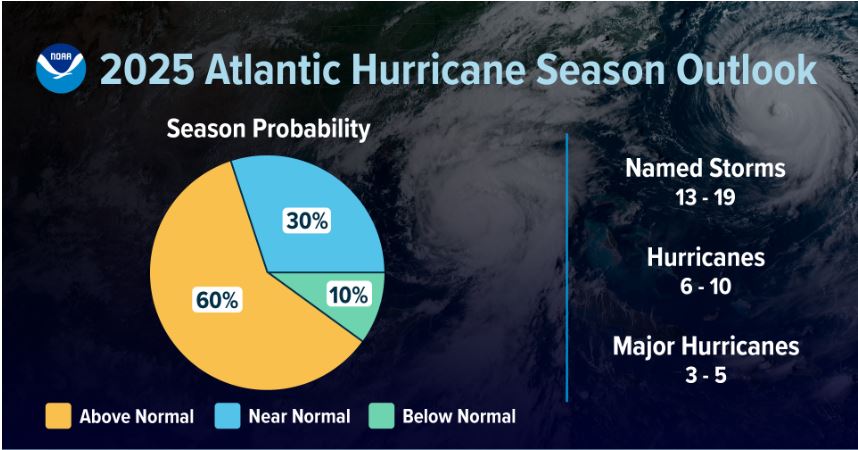
The Hurricane season is from June 1st to November 30. As the 2025 Atlantic hurricane season approaches, it’s crucial to stay informed and prepared. NOAA: The National Oceanic and Atmospheric Administration is a U.S. federal agency within the Department of Commerce focused on the oceans and atmosphere. It works to understand and predict changes in climate, weather, oceans, and coasts, supporting severe weather preparedness and other related areas. They have released the forecast, indicating an above-average season with increased storm activity.

NOAA’s 2025 Hurricane Season Forecast

  • Named Storms: 13 to 19
  • Hurricanes: 6 to 10
  • Major Hurricanes (Category 3 or higher): 3 to 5
  • Probability of Above-Normal Season: 60%
  • Probability of Near-Normal Season: 30%
  • Probability of Below-Normal Season: 10%

These numbers surpass the seasonal averages of 14 named storms, 7 hurricanes, and 3 major hurricanes.
Several conditions are contributing to the heightened hurricane activity forecasted for 2025:

  • Warmer Atlantic Sea Surface Temperatures: Elevated temperatures provide more energy for storm development.
  • ENSO-Neutral Conditions: The absence of El Niño or La Niña allows for more favorable conditions for hurricane formation.
  • Reduced Wind Shear: Lower wind shear supports the development and intensification of tropical systems.
  • Enhanced West African Monsoon: This can lead to more tropical waves, which are often precursors to Atlantic hurricanes.

Given the forecast, it’s essential to take proactive steps to ensure safety. We have listed 5 important steps you should consider implementing to be prepared for this year Hurricane Season.

  1. Review Emergency Plans: Ensure all family members know evacuation routes and communication strategies. Take time to talk to all the family members and plan accordingly.
  2. Assemble an Emergency Kit: Include essentials like water, non-perishable food, medications, flashlights, battery radio, traditional batteries and cellular power banks, and important documents. Get a waterproof box for the documents.
  3. Stay Informed: Monitor updates from the National Hurricane Center and local authorities.
  4. Secure Property: Inspect and reinforce your home to withstand potential storm impacts.
  5. Check Insurance Coverage: Review policies to ensure adequate protection against hurricane-related damages.

Why you should consider buy an Electrical Generator

One of the most overlooked but essential items in hurricane preparedness is a reliable electrical generator. During and after a hurricane, power outages can last for days or even weeks, leaving families without:

  • Refrigeration for food and medicine. You could lose hundreds of dollars in spoiled food—and critical medications may no longer be safe to use.
  • Air conditioning or fans during extreme heat. Indoor temperatures can become unbearable or even life-threatening—especially for infants, seniors, and people with medical conditions.
  • Communication devices and chargers. No phone charging, no Wi-Fi, no news updates. In an emergency, that can lead to isolation and make it harder to call for help, receive alerts, or coordinate with loved ones.
  • Essential medical equipment. If anyone in your home depends on powered medical devices—like oxygen machines or electric beds—power loss can cause critical health emergencies.
  • Lights, cooking appliances, etc. A home in total darkness becomes unsafe to move around, especially for children or the elderly. And with alarms or surveillance systems offline, your home’s security can also be compromised.

An electrical generator can help you maintain comfort, safety, and communication when it matters most.

We Can Help You Find the Right Generator

Not sure which generator is right for your home, business, or budget? We’re here to help.
We specialize in helping families and companies find the best generator options to meet their specific needs—whether it’s for basic backup or full-power solutions.

Contact us today for expert guidance and competitive pricing on:

  • Portable generators
  • Standby whole-house generators
  • Solar and inverter options
  • Generator accessories and installation

For Business Owners: Be Ready Before the Storm Hits

If you run a business, especially in sectors like retail, construction, healthcare, hospitality, or logistics, being prepared isn’t optional—it’s critical.
Power outages during hurricane season can shut down your operations, damage inventory, and lead to significant financial losses. That’s why we also work directly with businesses to help you:

  • Stock up on generators and emergency equipment
  • Secure reliable backup power for your operations
  • Get better pricing through B2B factory-direct supply
  • Ensure quality and compliance with trusted standards

Whether you need multiple units for resale, standby generators for your facilities, or a backup plan for critical operations, we’ve got you covered.
Let’s talk about your hurricane season needs—before the rush begins.
We offer competitive B2B pricing, direct-from-factory sourcing, and personalized support to help your business stay powered and protected. Don’t forget to Get a Quote to start planning now!

Important to consider: Although the season runs from June 1 to November 30, the most active months are August through October. Don’t wait until the last minute—now is the best time to act.

Stay Informed: Look at the official channels to get more information.

Power Through the Storm: Why Electric Generators Are Essential During Hurricane Season

As hurricane season approaches, it’s crucial to be prepared for the unexpected. Whether you’re facing a minor tropical storm or a category five hurricane, power outages are almost inevitable. The sudden loss of electricity can turn your home or business upside down, making everyday tasks difficult and potentially dangerous. That’s where electric generators come in—offering a reliable solution to keep your life running smoothly. In this article, we’ll explore why electric generators are essential during hurricane season and why investing in one, along with necessary spare parts, can make all the difference.

1. Uninterrupted Power Supply

The most obvious benefit of having an electric generator is maintaining power when the grid goes down. Hurricanes can cause extensive damage to power lines and infrastructure, leading to prolonged outages. With a generator, you can keep your lights on, your refrigerator running, and your essential devices charged. This continuity is especially crucial for families with young children, elderly members, or anyone with medical needs that require electricity.

2. Safety and Comfort

A power outage can compromise your home’s safety and comfort. Without power, security systems and smoke detectors may not function, leaving you vulnerable. Additionally, the lack of air conditioning or heating can make your home uncomfortably hot or cold, depending on the season. Electric generators ensure that your home’s safety features stay operational and that you remain comfortable, no matter the weather outside.

3. Preventing Food Spoilage

One of the most significant concerns during a power outage is food spoilage. A refrigerator or freezer without power can lead to hundreds of dollars in wasted food, not to mention the inconvenience of having to restock. A generator can keep your appliances running, preserving your groceries and saving you money in the long run.

4. Business Continuity

For business owners, a power outage can mean lost revenue, especially if you’re unable to operate for an extended period. An electric generator can keep your business up and running, ensuring you don’t miss out on crucial sales or opportunities. This is particularly important for businesses that rely on refrigeration, such as restaurants and grocery stores, or those that provide critical services.

5. Peace of Mind

Perhaps the most significant advantage of owning an electric generator is the peace of mind it brings. Knowing that you’re prepared for any eventuality can reduce the stress and anxiety that come with hurricane season. Instead of worrying about how you’ll cope without power, you can focus on keeping your family safe and secure.

Choosing the Right Generator

When selecting an electric generator, consider your power needs. For smaller households, a portable generator may suffice, providing enough power for essential appliances and devices. For larger homes or businesses, a standby generator might be more appropriate, offering a more robust solution that can power an entire building.

Essential Spare Parts

Investing in a generator is just the first step. To ensure your generator is always ready to perform, it’s wise to stock up on essential spare parts. Common parts to have on hand include:

  • AVR: This is a crucial part and is very sensible to lightinhgs. Try to have the replacement available.
  • Air Filters: Keep your generator running efficiently by replacing air filters regularly.
  • Oil and Oil Filters: Regular oil changes are necessary to keep your generator’s engine in top condition.
  • Fuel Stabilizer: Prevent fuel degradation and ensure your generator starts smoothly after long periods of inactivity.

Conclusion

As hurricane season looms, now is the time to invest in an electric generator and the necessary spare parts. This proactive step can protect your home, ensure your family’s safety, and provide peace of mind during turbulent weather. Don’t wait until the storm hits—prepare now and power through the storm with confidence.

Call us today and we will help you find the perfect electric generator for your needs and stock up on essential parts. With our top-quality products and expert advice, you’ll be ready to face any challenge hurricane season throws your way. Get a quote today! Click here