
Why Crane Cables Matter: The Importance of High-Quality, Durable Cables for Your Equipment

If you operate a crane, you know how crucial it is to have reliable, durable cables. Crane cables are the lifeline of your equipment, and choosing the right cables can mean the difference between safe and efficient operations and costly downtime and repairs. In this blog post, we’ll explore the importance of crane cables, how long they usually last, when to change them, and why it’s crucial to choose high-quality cables from European manufacturers.
How Long Do Crane Cables Usually Last?

Crane cables are designed to withstand high levels of stress, wear and tear, and exposure to the elements. However, over time, the constant load cycles and repetitive movements can cause cables to wear out and eventually fail. The lifespan of a crane cable depends on several factors, including the cable’s design, the materials used, the frequency of use, and the operating conditions.

On average, crane cables can last between three to five years, depending on the factors mentioned above. However, it’s essential to keep a close eye on the cables’ condition and regularly inspect them for signs of wear and tear.

When to Change Crane Cables?

It’s crucial to replace crane cables before they reach the end of their lifespan or show signs of damage or wear and tear. A cable failure can have catastrophic consequences, including injury or death to personnel, damage to equipment, and costly downtime.

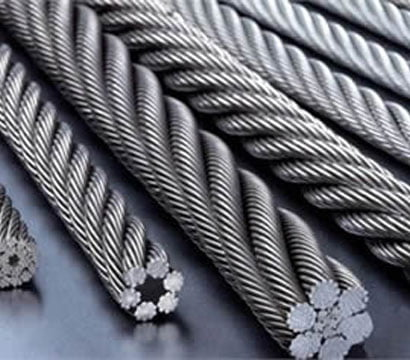
Some signs that indicate it’s time to replace your crane cables include visible signs of wear and tear, such as fraying, kinking, and broken wires, and decreased load capacity. Additionally, it’s crucial to replace cables if they have been subjected to extreme conditions, such as high temperatures or exposure to corrosive substances.

The Risk of Not Changing Crane Cables on Time

Not changing crane cables on time can lead to significant safety risks and financial losses. Cable failures can cause accidents, equipment damage, and costly downtime, leading to lost revenue and productivity. Additionally, a cable failure can lead to regulatory fines and legal liability.

When to Start Looking for New Crane Cables?

It’s essential to start looking for new crane cables well in advance of the expected replacement date. This allows sufficient time for ordering, delivery, and installation. It’s crucial to choose high-quality cables from reputable manufacturers that can meet your specific requirements and operating conditions.

The High Quality of European Manufacturers

European manufacturers are known for producing high-quality crane cables that meet or exceed industry standards. European cables are designed to withstand the most demanding operating conditions, from extreme temperatures to corrosive substances. Additionally, European manufacturers use high-quality materials and state-of-the-art manufacturing processes to ensure the reliability and durability of their cables.

Where to Get the Best Product for Your Needs

ENEKA Global can help! As a leading supplier of industrial equipment, we understand the importance of choosing the right crane cables for your equipment. We work with top European manufacturers to provide our customers with high-quality cables that meet their specific requirements. Our experienced team can help you choose the right cables for your equipment, ensuring safe and efficient operations and minimizing downtime and costly repairs.

Keep in mind, crane cables are a crucial component of your equipment, and choosing the right cables can mean the difference between safe and efficient operations and costly downtime and repairs. It’s essential to regularly inspect your cables for signs of wear and tear and replace them before they fail. Additionally, it’s crucial to choose high-quality cables from reputable manufacturers and work with experienced suppliers who can help you select the right cables for your equipment and operating conditions. Let us help you find the right one on time, click here to request a Quote. Sending the Model and Serial number of your equipment is the first step to get the piece of mind you need!
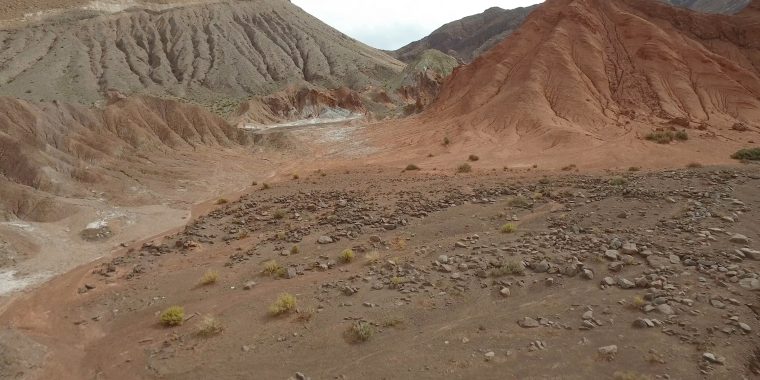
Breaking Ground: Insights into the World of Drilling and Construction

Construction projects often start with a simple step: breaking ground. However, the process of drilling and excavation that goes into breaking ground can be complex and multi-faceted. In this article, we’ll explore some insights into the world of drilling and construction.

  1. The Importance of Geotechnical Investigations

Before breaking ground, it’s important to conduct geotechnical investigations. These investigations help determine the composition of the soil, the potential for subsidence, and other factors that can impact the stability of the ground. This information is used to determine the most appropriate drilling and excavation methods for the project.

  1. Drilling Techniques

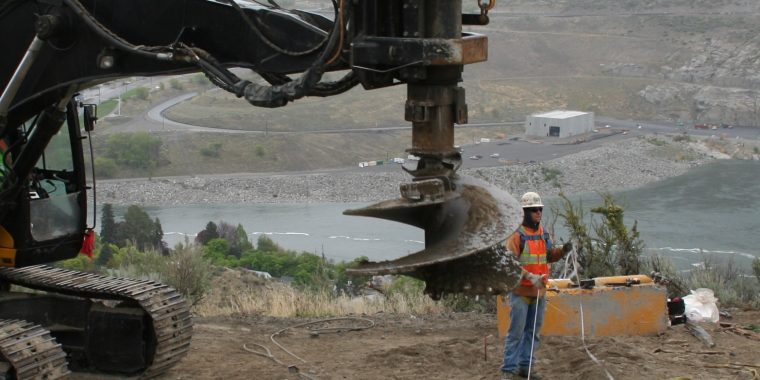
There are several drilling techniques used in construction projects, including auger drilling, cable percussion drilling, and blast hole drilling. Each technique has its own advantages and disadvantages and is chosen based on the specific needs of the project. For example, auger drilling is useful for soft soils and can be used to create holes for foundations or pile installations, while blast hole drilling is used to break up hard rock or soil.

  1. Excavation Techniques

Excavation is another critical aspect of breaking ground. Techniques such as open excavation, tunneling, and trenching are commonly used in construction projects. Excavation can be a delicate process, as it often involves working around existing infrastructure, such as utility lines or underground pipes.

  1. Environmental Considerations

Breaking ground can have a significant impact on the environment, and it’s important to take this into consideration when planning construction projects. Measures such as erosion control, sediment management, and site restoration can help minimize the impact of construction on the surrounding ecosystem.

  1. Safety Precautions

Drilling and excavation are inherently dangerous activities, and safety is a top priority in construction projects. Proper safety equipment, such as hard hats and safety glasses, is essential, as are precautions such as barricading work areas and implementing traffic control measures.

  1. Technology and Innovation

Advances in technology and innovation have transformed the world of drilling and construction. For example, 3D modeling can be used to simulate the drilling and excavation process, helping to identify potential challenges before breaking ground. Drones can also be used to conduct site surveys and monitor the progress of construction projects.

In conclusion, breaking ground is a critical step in construction projects, and drilling and excavation are key components of this process. Geotechnical investigations, drilling and excavation techniques, environmental considerations, safety precautions, and technology and innovation all play important roles in ensuring the success of construction projects. As the world of construction continues to evolve, it’s important to stay up-to-date on the latest insights and techniques in drilling and excavation.

Looking for Drilling parts or equipment, request a quote here. Check our options in Construction.

Drilling and Construction: Finding Solutions for Difficult Terrain

Construction projects can be challenging enough on flat ground, but when it comes to building on difficult terrain, such as hills, mountains, or rocky landscapes, the job becomes even more complex. Drilling and excavation are key components of many construction projects, but traditional drilling and excavation methods may not be sufficient for difficult terrain. In this article, we’ll explore some of the solutions that construction companies use to overcome the challenges of difficult terrain.

  1. Blast Hole Drilling

Blast hole drilling is a technique used to create holes in hard rock or other difficult terrain, which can then be used for explosive blasting to break up the rock or soil. This technique is commonly used in mining operations, but it can also be used in construction projects that require excavation in hard terrain. Blast hole drilling uses specialized drilling equipment and explosives, and safety is a key consideration when using this technique.

  1. Helical Piles

Helical piles are screw-like structures that are drilled into the ground to create a foundation for a building or structure. They are commonly used in areas where the soil is unstable, such as in coastal areas or on slopes. Helical piles are ideal for difficult terrain as they can be installed quickly and easily, without the need for extensive excavation or concrete foundations. They can also be removed or relocated if necessary, making them a versatile solution.

  1. Auger Drilling

Auger drilling is a method that uses a rotating drill to create a hole in the ground. This technique is commonly used in soil testing and exploration, but it can also be used in construction projects where traditional drilling methods are not suitable. Auger drilling is particularly useful in areas where the ground is soft or where there are obstacles, such as tree roots or rocks.

  1. Cable Percussion Drilling

Cable percussion drilling is a technique that uses a cable and percussion hammer to create a hole in the ground. This technique is commonly used in geotechnical investigations and can be used in difficult terrain where traditional drilling methods may not be effective. Cable percussion drilling can be used to drill through rock, soil, or other types of terrain, making it a versatile solution for difficult construction projects.

  1. Jet Grouting

Jet grouting is a technique that involves injecting a high-pressure stream of cement grout into the ground to create a column of soil-cement mixture. This technique is commonly used to improve the stability of soil in areas where traditional excavation methods are not practical. Jet grouting can be used to create columns of varying sizes and shapes, making it a flexible solution for difficult terrain.

In conclusion, difficult terrain can pose significant challenges for construction projects, particularly when it comes to drilling and excavation. However, with the right techniques and equipment, construction companies can find solutions to overcome these challenges. Blast hole drilling, helical piles, auger drilling, cable percussion drilling, and jet grouting are just some of the methods that can be used to tackle difficult terrain. As construction projects become more complex and challenging, it’s important to have access to a range of solutions to ensure success.

Looking for Solutions, request a quote here. Check our options in Construction.

Revolutionizing Construction: The Latest Drilling Technologies

The construction industry has undergone a significant transformation in recent years, with the introduction of new drilling technologies playing a crucial role in driving this revolution. These latest drilling technologies are helping construction companies to increase efficiency, reduce costs, and improve safety on worksites. In this article, we’ll explore some of the latest drilling technologies that are revolutionizing the construction industry.

  1. Automated Drilling Systems

Automated drilling systems are an innovative solution for construction companies looking to streamline their drilling operations. These systems use sensors and computer software to automate drilling processes, reducing the need for human intervention. Automated drilling systems provide a number of benefits, including increased accuracy, faster drilling times, and improved safety.

  1. Augmented Reality (AR) Drilling

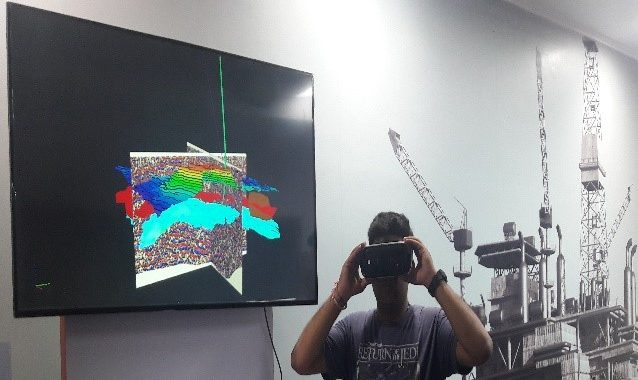
Augmented reality (AR) is a technology that overlays digital information onto the real world, allowing users to interact with both the digital and physical environments. AR drilling is a new application of this technology in the construction industry. By using AR headsets, workers can see the drilling process overlaid onto the physical environment in real-time. This technology allows workers to drill more accurately and with greater speed, reducing errors and improving overall efficiency.

  1. Directional Drilling

Directional drilling is a technique that allows drilling to be done at different angles, rather than just straight down. This technology is particularly useful in construction projects where drilling needs to be done at an angle, such as for drilling tunnels or installing pipelines. Directional drilling can reduce the number of boreholes required and can be more cost-effective than traditional drilling methods.

  1. Sonic Drilling

Sonic drilling is a drilling technique that uses high-frequency vibrations to break through hard rock formations. This technique is particularly useful in construction projects where traditional drilling methods may be too slow or too expensive. Sonic drilling can also reduce the amount of debris generated during the drilling process, which can be a significant benefit on environmentally sensitive sites.

  1. Laser Drilling

Laser drilling is a technology that uses lasers to drill through hard materials such as rock and concrete. This technology is particularly useful in construction projects where precision drilling is required, such as for installing anchors or creating openings in concrete walls. Laser drilling can also be used to create smooth and clean holes, reducing the need for additional finishing work.

In conclusion, the latest drilling technologies are revolutionizing the construction industry, helping construction companies to increase efficiency, reduce costs, and improve safety. From automated drilling systems to augmented reality drilling, directional drilling, sonic drilling, and laser drilling, these technologies are providing innovative solutions to traditional drilling challenges. As the construction industry continues to evolve, these drilling technologies will play an increasingly important role in shaping the future of construction.

10 Essential Safety Tips for Drilling and Construction

Drilling and construction work is often considered as high-risk activities that require strict adherence to safety measures to minimize the likelihood of accidents and injuries. Here are ten essential safety tips that every worker involved in drilling and construction should follow:

  1. Wear appropriate personal protective equipment (PPE): Hard hats, safety glasses, gloves, and steel-toed boots are all essential PPE that must be worn at all times on the job site.
  2. Conduct pre-work inspections: Before commencing any drilling or construction work, it is essential to perform a thorough inspection of the equipment to ensure that it is in good working condition.
  3. Follow manufacturer’s instructions: Always follow the manufacturer’s instructions when operating equipment. Failure to do so could result in equipment failure and serious injury.
  4. Mark underground utilities: Before drilling, make sure that underground utilities are marked to avoid accidentally damaging pipes, wires, and other utilities.
  5. Use guards and shields: Guards and shields are designed to protect workers from hazards, such as flying debris, and must be in place whenever necessary.
  6. Avoid working in inclement weather: Working in adverse weather conditions, such as rain or high winds, can be dangerous and increase the likelihood of accidents. Avoid working during such conditions, if possible.
  7. Secure the work area: It is essential to secure the work area by using cones, barriers, or warning signs to keep the public away from the site.
  8. Use proper lifting techniques: When lifting heavy objects, always use proper lifting techniques to avoid back and muscle injuries.
  9. Avoid wearing loose clothing and jewelry: Loose clothing and jewelry can easily get caught in equipment and machinery, resulting in serious injuries.
  10. Train and educate workers: Finally, it is essential to train and educate all workers on the importance of safety and how to identify and prevent potential hazards on the job site.

By following these essential safety tips, workers can help ensure that drilling and construction work is completed safely and efficiently, without any accidents or injuries. Remember, safety is everyone’s responsibility, and it is up to each worker to take the necessary precautions to protect themselves and their colleagues.

Looking for equipment, request a quote here. More information about our products in Construction.